
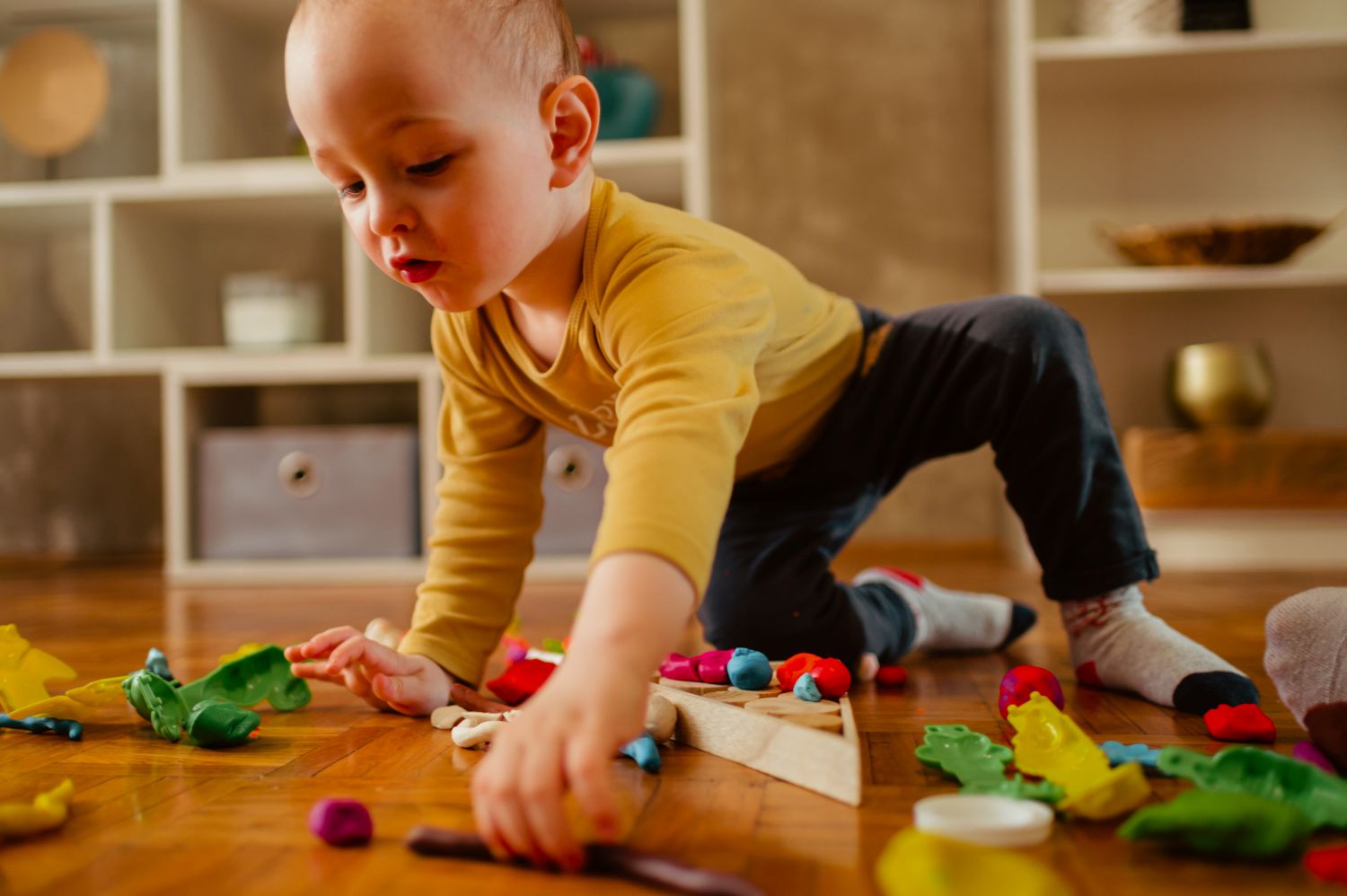
Play is not merely a pastime for two-year-olds; it serves as a critical component of their development. As young children engage in play, they explore their environment, develop cognitive skills, and establish social connections. This article examines the significant impact of play on early childhood, identifies the most effective types of toys that facilitate growth, and offers guidance on selecting appropriate toys. Furthermore, it provides strategies to enhance playtime and outlines common pitfalls to avoid, ensuring that children derive maximum benefits from their playful experiences.
The Importance of Play for 2-Year-Olds
Play is a fundamental component of child development for 2-year-olds, as it promotes cognitive skills, enhances motor skills, and lays the groundwork for social interaction, emotional intelligence, and creativity.
During this crucial developmental stage, children participate in various forms of play, including imaginative play and sensory play, which are vital for their overall growth and exploration abilities.
The significance of play in this context cannot be overstated, as it fosters learning through play, enabling young children to achieve essential developmental milestones while nurturing their curiosity and resourcefulness.
Understanding the Role of Play in Development
Understanding the role of play in childhood development is essential for appreciating how children learn and grow through various forms of interaction and engagement. Playtime transcends mere leisure activity; it serves as a fundamental mechanism for children to explore their environment, develop problem-solving skills, and engage in meaningful social interactions with peers, thereby facilitating cognitive, emotional, and physical development.
Psychological theories, particularly those in developmental psychology and attachment theory, provide insights into the complexities of this process. Developmental psychology posits that through play, children encounter challenges that stimulate critical thinking and innovation. For instance, when children engage in constructive play, such as building with blocks, they not only enhance their spatial awareness but also cultivate persistence and creativity.
Similarly, attachment theory underscores the importance of secure relationships in the context of play. Cooperative games, for example, can foster social skills, as children learn to negotiate roles and share resources, thereby establishing foundational skills for future interpersonal interactions.
Each type of play contributes uniquely to the overarching development of skills that are essential for successfully navigating the complexities of life.
The Power of Toys for 2-Year-Olds
The appropriate selection of toys has the potential to significantly enhance the learning and development of two-year-olds by promoting imagination, creativity, and physical activity.
High-quality educational toys, interactive toys, and role-playing sets not only provide entertainment but also facilitate the development of cognitive and motor skills. These toys enable children to engage in imaginative scenarios that deepen their understanding of the world around them.
It is imperative to choose toys that are safe and durable to ensure enriching play experiences while adhering to established safety standards.
Types of Toys that Promote Development
Numerous types of toys effectively promote development in 2-year-olds, including gender-neutral toys, educational toys, and sensory play items designed for hands-on learning.
These toys address a variety of interests and developmental needs, allowing children to explore their creativity while enhancing their fine motor skills, gross motor skills, and cognitive abilities through interactive and engaging play.
For example, building blocks can stimulate problem-solving skills and spatial awareness, while puzzles encourage critical thinking and patience.
Additionally, cooperative games foster social interaction and teamwork, enabling children to develop essential communication skills. Selecting age-appropriate toys ensures that every child, regardless of gender, feels included and valued during playtime.
By providing toys that cater to various developmental areas-such as plush figures for imaginative play or art supplies for creative expression-caregivers can create an enriching environment that supports holistic growth and learning during these formative years.
Choosing the Right Toys for Your Child
Selecting appropriate toys for children is essential for enhancing their developmental benefits and ensuring a safe play environment.
Parents should take into account various factors, including the functionality of the toys, adherence to safety standards, and the specific needs of their child when choosing toys that are not only engaging but also conducive to cognitive, emotional, and physical development.
Recognizing the influence of toy selection on child development will assist parents in making informed decisions that promote a nurturing and enriching playtime experience.
Factors to Consider when Selecting Toys
When selecting toys for 2-year-olds, it is essential to consider several factors to ensure that the toys fulfill their intended purpose effectively. Key considerations include the functionality of the toy, adherence to safety standards, and its capacity to promote developmental activities that engage children’s exploration skills and enhance their creativity.
By thoroughly evaluating these factors, parents can select toys that not only provide entertainment but also facilitate meaningful learning experiences.
These toys should be designed to stimulate curiosity, encouraging children to explore their environments and discover new concepts. Additionally, parents should take into account the materials used in the toys, ensuring they are non-toxic and durable, as both play and safety are of utmost importance at this developmental stage.
It is also crucial to consider the age appropriateness of the toy, as it should align with the child’s developmental stage to maintain their interest and engagement. Toys that promote imaginative play not only enrich cognitive development but also foster social skills when shared with peers.
Therefore, a thoughtful selection of toys can yield long-lasting educational benefits.
Developmental Benefits of Playtime
Playtime provides numerous developmental benefits for two-year-olds, significantly contributing to their cognitive, physical, and social development.
Engaging in play allows children to practice essential skills such as problem-solving, spatial awareness, and emotional intelligence, while also developing motor skills through active play.
These experiences not only promote a child’s growth but also cultivate a sense of curiosity and creativity, which are vital attributes for lifelong learning.
Cognitive, Physical, and Social Development
Cognitive, physical, and social development are interconnected components that play a vital role in the growth of a 2-year-old during playtime. Through independent play, children enhance their cognitive abilities by exploring their environment and solving problems, while cooperative play with peers fosters essential social skills such as sharing, collaboration, and emotional intelligence. Physical play activities contribute to the development of motor skills, which serve as a foundation for future physical activities.
For example, when children engage in solitary activities such as building with blocks or completing simple puzzles, they not only cultivate critical thinking skills but also improve their concentration and creativity as they experiment with various shapes and structures.
Conversely, when toddlers participate in cooperative games like tag or group storytelling, they learn to navigate social dynamics, which enhances their ability to function as part of a team and improves their communication skills.
These diverse forms of play illustrate how independent and cooperative interactions are essential for holistic development, ensuring that children acquire both the cognitive agility and social awareness necessary for their ongoing growth.
How to Maximize Playtime for Optimal Development
To optimize developmental playtime, it is imperative that parents and caregivers establish an engaging play environment conducive to exploration and discovery, while integrating developmental activities.
This entails offering a diverse range of toys and materials that promote hands-on learning, imaginative play, and sensory experiences, thereby enriching the quality of play and supporting the overall growth of 2-year-olds.
It is essential to provide sufficient opportunities for both structured and unstructured play to enhance children’s engagement and developmental outcomes.
Tips for Engaging and Enhancing Playtime
Enhancing and enriching playtime can be effectively accomplished through straightforward strategies designed to nurture children’s curiosity and creativity. It is essential for parents to promote interactive experiences that engage children’s senses and encourage active participation. This can be achieved through sensory play, role-playing scenarios, or collaborative interactions with peers. By incorporating these elements into playtime, caregivers can cultivate a rich and nurturing environment that encourages exploration and discovery.
These strategies not only render playtime enjoyable but also facilitate the development of crucial social skills as children learn to communicate and cooperate with their peers. For example, organizing group activities such as scavenger hunts or team-building games fosters bonding and the exchange of ideas among young participants. Furthermore, integrating art projects, storytelling sessions, or construction challenges can stimulate imaginative thinking.
Parents may also consider introducing educational play materials, such as puzzles or interactive games, to promote problem-solving skills. It is important to recognize that the more actively involved caregivers are in their children’s play, the more meaningful these experiences will become, laying the groundwork for lifelong learning and friendship.
Common Mistakes to Avoid in Playtime
Avoiding common mistakes during playtime is crucial for ensuring a positive and beneficial experience for two-year-olds. Parents should exercise caution when introducing toys that may pose safety risks and should also be mindful of preventing overstimulation, which can overwhelm young children.
By recognizing these potential pitfalls and providing appropriate guidance, caregivers can foster a safe and enriching play environment that effectively supports the developmental needs of their child.
Harmful Toys and Overstimulation
Harmful toys and overstimulation can significantly impede a child’s play experience and overall development. The selection of toys that fail to meet established safety standards poses risks to children’s physical well-being, while excessive noise or overly complex features can overwhelm young minds and detract from meaningful play.
By examining these challenges through the framework of developmental psychology, parents can make informed decisions regarding toy selection and play environments.
It is essential for caregivers to remain vigilant in identifying toys that contain small parts, sharp edges, or toxic materials, as these can lead to injuries or health concerns. Indicators of overstimulation may present as irritability, restlessness, or difficulty concentrating during playtime.
To foster a secure and nurturing play environment, parents should consider choosing toys that promote open-ended play, which encourages creativity without overwhelming the child.
Additionally, implementing periods of quiet and incorporating calming colors within the play area can enhance focus and help alleviate the effects of overstimulation, ultimately creating a more balanced and enjoyable experience.
Tags: toys