
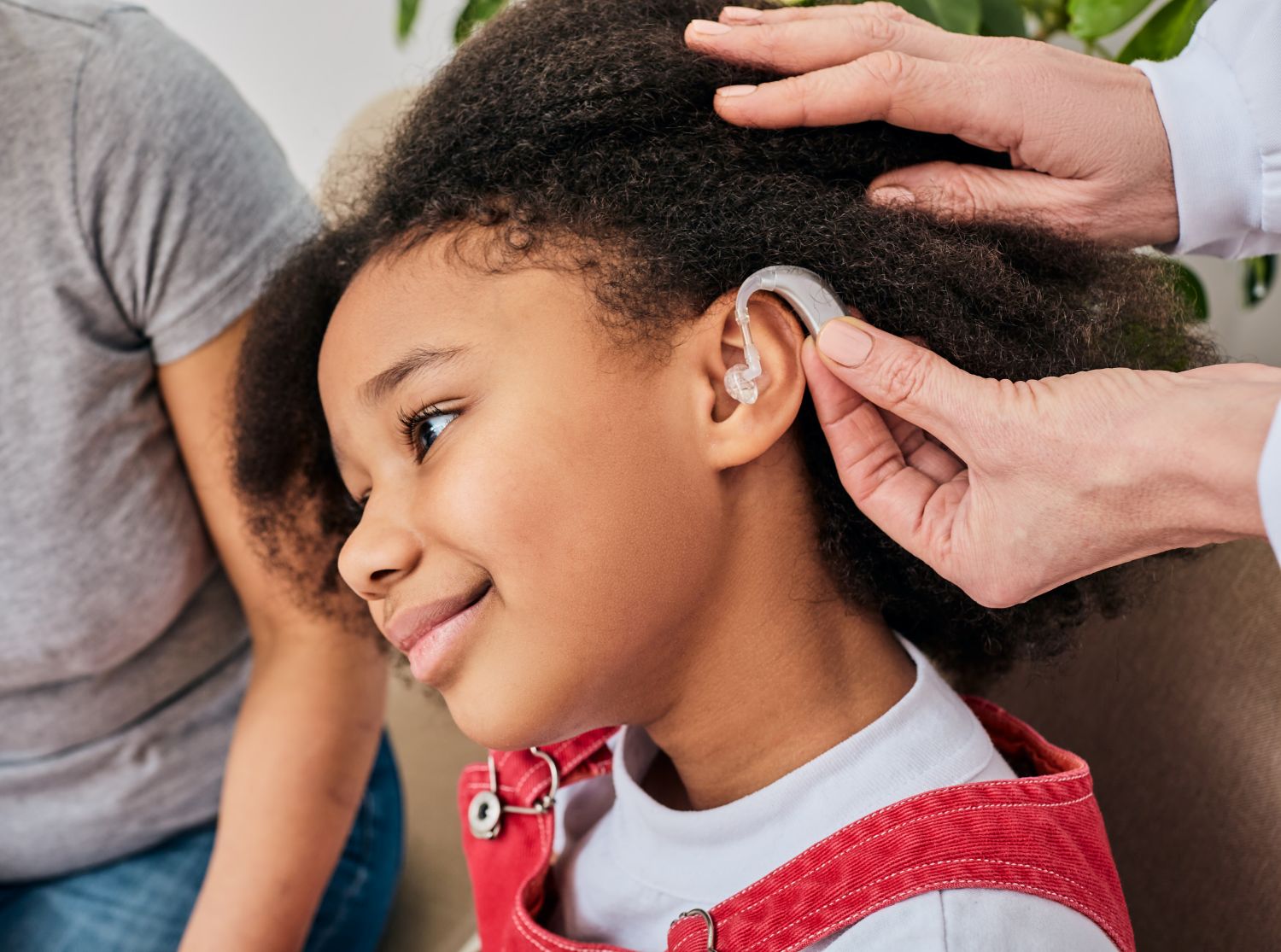
Hearing plays a critical role in a child’s development, influencing aspects such as speech and language skills, as well as social interactions. When children encounter hearing difficulties, hearing aids can serve as a transformative solution, enabling them to access the world of sound. This article examines the various types of hearing aids that are suitable for children and emphasizes the significant benefits they provide, including the enhancement of speech development and emotional well-being. Additionally, it addresses key factors to consider when selecting the appropriate device, offers fitting tips, and provides maintenance recommendations to ensure that children can thrive with their new hearing aids.
Why Children May Need Hearing Aids
Hearing aids are crucial for children experiencing hearing loss, as they significantly enhance sound clarity and support early intervention. This facilitates the development of effective communication skills and social interaction from an early age.
Early identification of hearing loss is critical, as it can profoundly impact a child’s speech and language development. When hearing impairment goes unnoticed or untreated, it may result in delays that adversely affect academic performance and social interactions later in life.
Audiologists play an essential role in this process by conducting comprehensive hearing assessments to identify specific challenges. A supportive family environment can further amplify the benefits of hearing aids; families that actively engage in their child’s treatment foster confidence and motivation, thereby creating a nurturing atmosphere for effective auditory learning and communication.
Types of Hearing Aids for Children
A variety of hearing aids are specifically designed for children, including custom-fit models and digital hearing aids that provide advanced sound amplification and wireless connectivity.
Each type is constructed with a child-friendly design to ensure comfort while delivering the necessary auditory support for effective communication. These assistive devices can be customized according to the child’s age and developmental stage, enabling families to select the most suitable options that address their unique needs.
In-the-ear vs. Behind-the-ear
In-the-ear (ITE) and behind-the-ear (BTE) hearing aids are two prevalent styles that offer distinct advantages for children with hearing loss. ITE hearing aids are custom-fitted devices that are placed directly in the ear canal, thereby providing enhanced sound quality. In contrast, BTE aids are worn behind the ear and tend to be more versatile and easier to adjust.
Both types can be equipped with specialized features, such as custom ear molds for comfort and auditory feedback systems designed to optimize the listening experience.
When selecting between these two hearing aid styles, several factors must be considered, including comfort, maintenance requirements, and aesthetic preferences.
ITE aids, while discreet, may necessitate more frequent cleaning and monitoring due to their placement within the ear canal. Conversely, BTE devices are generally easier to handle and maintain.
Sound quality is typically superior in ITE aids due to their proximity to the eardrum, although BTE hearing aids can be customized with advanced technology to minimize feedback and enhance clarity.
Ultimately, the decision will depend on the child’s specific needs, lifestyle, and the level of care that caregivers are prepared to provide.
Benefits of Hearing Aids for Children
The benefits of hearing aids for children are significant and multifaceted, influencing their speech development, social interactions, and overall emotional well-being.
By enhancing auditory processing and sound amplification, these devices facilitate effective communication, thereby fostering peer relationships and boosting confidence.
Additionally, the use of hearing aids contributes to cognitive development, enabling children to achieve their developmental milestones and engage more comprehensively in both educational and social settings.
Improving Speech and Language Development
Hearing aids play a crucial role in enhancing speech and language development for children with hearing loss, as they improve auditory discrimination and facilitate effective communication skills. By amplifying sounds, these devices enable children to participate more fully in conversations, which is essential for language acquisition and overall cognitive development.
Early intervention with hearing aids can lead to significant improvements in a child’s ability to express themselves and comprehend language.
For example, when children can hear their peers during playtime, they are able to mimic sounds and words, which is vital for vocabulary development. Regular exposure to auditory stimuli through hearing aids supports phonetic awareness, allowing children to recognize and produce various speech sounds.
This auditory input significantly shapes their overall communication confidence, which is essential as they navigate the classroom environment and interact with both teachers and classmates.
Ultimately, by providing an enriched auditory experience, hearing aids not only assist in the development of foundational language skills but also contribute positively to a child’s academic achievements and social interactions.
Enhancing Social and Emotional Well-being
Enhancing social and emotional well-being is one of the most significant advantages of hearing aids for children, as these devices facilitate improved social interaction and contribute to the development of self-confidence.
Children who are equipped with hearing aids are more likely to engage in group activities and establish strong peer relationships, which are essential for their overall development. Support from family and friends during this process further reinforces a child’s emotional health and fosters a positive environment conducive to growth.
When children are able to communicate effectively with their peers, they experience a sense of belonging that is crucial during their formative years. Improved communication skills not only assist them in navigating social situations but also mitigate feelings of isolation, leading to healthier emotional expression.
Families play a pivotal role in creating a supportive and encouraging home environment, ensuring that their child feels secure in exploring social connections without fear of judgment. This nurturing atmosphere further enables children to thrive emotionally, fostering resilience and a sense of self-worth that can positively influence their interactions and relationships both within and outside the classroom.
Factors to Consider When Choosing a Hearing Aid for Your Child
When selecting a hearing aid for a child, several critical factors must be taken into account, including the child’s age, developmental stage, and lifestyle or activity level.
A thorough understanding of these factors can help ensure that the chosen device addresses their specific auditory needs while facilitating optimal engagement in social and educational contexts.
It is essential to evaluate the child’s activity level and determine whether the selected hearing aid can endure the various environments they may encounter.
Age and Developmental Stage
The age and developmental stage of a child are critical factors to consider when selecting a hearing aid, as these elements significantly influence the type of assistive devices that will best meet their auditory requirements.
For younger children, who may necessitate early intervention, custom-fit aids can provide essential sound amplification. In contrast, older children may benefit from more advanced digital hearing aids equipped with features tailored to their specific developmental milestones.
Teenagers may require devices with a more discreet design and enhanced connectivity options to accommodate their active lifestyles and social interactions. It is important to recognize that hearing needs are dynamic; as children grow, their preferences and environments change, which necessitates adaptations in their hearing aids.
Proactive engagement in hearing healthcare can lead to substantial improvements in language acquisition and social development, highlighting the significance of early detection and intervention.
By collaborating with audiologists and educators, parents can ensure that children receive optimal support for their auditory health over time.
Lifestyle and Activity Level
A child’s lifestyle and activity level are critical considerations when selecting a hearing aid, as active children may require durable devices capable of withstanding wear and tear. Hearing aids designed for robust use often include features such as noise reduction and enhanced sound quality, ensuring that children can fully engage in their daily activities without compromising their auditory experience.
The appropriate hearing aid should not only endure the demands of sports and outdoor play but also provide a comfortable fit for extended wear during school activities and social interactions.
For example, children participating in team sports require devices that remain securely in place even during vigorous movement. This underscores the importance of customizable fittings and sweat-resistant materials, which significantly contribute to a child’s confidence and overall participation in both academic and extracurricular settings.
Selecting suitable options with these features enables children to lead active lives while maintaining connections with their peers, thereby fostering a sense of normalcy and inclusion.
Fitting and Adjusting Hearing Aids for Children
Fitting and adjusting hearing aids for children is a crucial process that ensures the devices operate effectively, delivering optimal sound clarity and comfort.
Achieving a proper fit is essential not only for the optimal performance of the hearing aids but also to promote consistent usage. Regular adjustments, informed by the child’s feedback and evolving auditory needs, can significantly enhance their overall auditory experience and outcomes.
The Importance of Proper Fit
The importance of achieving a proper fit in hearing aids cannot be overstated, as it directly influences both sound quality and the child’s level of comfort. A well-fitted hearing aid facilitates optimal sound amplification while minimizing discomfort, thereby increasing the likelihood that the child will wear it consistently.
Collaborating with an audiologist to ensure an appropriate fit is essential for maximizing the benefits of the assistive device.
The technical precision of hearing aids necessitates that even minor adjustments can yield significant improvements in auditory feedback, enabling children to engage more effectively with their environments. When the hearing aid is positioned correctly, it reduces sound distortion and enhances clarity, which is critical for language development and social interaction.
For parents, regular check-ups and a proactive approach to monitoring the fit of the device are vital to ensure that their child is not only hearing but also comprehending sounds effectively.
Furthermore, educating children about the importance of reporting any discomfort or difficulties they experience is advantageous, as this feedback can guide timely adjustments and enhance their overall experience.
Adjusting to New Sounds and Volume Levels
Adjusting to new sounds and volume levels is a critical component of a child’s experience with hearing aids, as they learn to process and differentiate auditory stimuli within their environment. Initially, children may feel overwhelmed by the array of sounds; however, with time and appropriate support, they can develop improved auditory processing skills and greater comfort with their enhanced auditory surroundings.
To facilitate this adjustment process, parents play an essential role by providing consistent encouragement and fostering a positive atmosphere regarding the use of hearing aids. Engaging in activities that promote sound recognition, such as auditory games or encouraging conversations in diverse settings, can significantly aid in their adaptation.
Audiologists are invaluable in recommending tailored strategies that address the specific needs and preferences of the child, ensuring that the hearing devices are optimally calibrated. Regular follow-up appointments with these professionals can help address any challenges, making the transition to fully embracing the new auditory experience smoother and more enjoyable.
Caring for and Maintaining Hearing Aids for Children
Caring for and maintaining hearing aids for children is essential to ensure their longevity and optimal performance. Regular cleaning, battery replacement, and scheduled check-ups with an audiologist are critical practices that contribute to maintaining sound quality and device functionality.
By establishing a consistent routine for care and maintenance, parents can promote a positive hearing experience for their children.
Cleaning and Changing Batteries
Cleaning and changing batteries in hearing aids are essential maintenance tasks that significantly impact their performance and longevity. Regular cleaning helps prevent earwax buildup and ensures that sound quality remains optimal, while timely battery changes guarantee uninterrupted usage and functionality.
Establishing best practices for these tasks is crucial for both children and parents in effectively managing hearing aids.
To maintain optimal performance, it is advisable to incorporate a cleaning routine into your weekly schedule. Employ a soft, dry cloth to gently wipe the outer surface of the device, ensuring that moisture and debris are eliminated.
Specially designed cleaning brushes and tools, typically included in most hearing aid kits, can facilitate access to delicate areas where dirt and wax may accumulate.
Additionally, it is essential to change batteries at regular intervals, such as weekly or bi-weekly, depending on usage patterns.
To troubleshoot common issues, such as muffled sounds or intermittent feedback, inspecting the battery contacts and ensuring their cleanliness can often resolve these problems.
If the device becomes unresponsive, performing a reset is a recommended practice, as this action can restore its functionality.
Regular Check-ups and Repairs
Regular check-ups and repairs are vital for the optimal functioning of hearing aids, ensuring that they provide essential support for children with hearing loss. Audiologists are equipped to assess these devices for any potential issues and perform necessary repairs or adjustments, enabling children to maximize the benefits of their assistive technology.
Incorporating preventative care into the routine can extend the lifespan of the hearing aids and enhance their overall performance.
Consistent appointments with an audiologist not only assist in identifying common repair needs but also allow for essential fine-tuning to accommodate the changing needs of children as they grow. Over time, minor concerns such as wax buildup or battery corrosion can significantly impact sound quality, making it imperative for professionals to conduct regular inspections and maintenance of these devices.
Establishing a relationship with an audiologist ensures that any potential issues are identified early, thereby minimizing the risk of disruption in a child’s communication abilities. This proactive approach contributes to the overall effectiveness and reliability of hearing aids, enabling children to connect more seamlessly with their environment.